Dealing with lingering pain long after surgery can be frustrating and confusing. Even when surgeons clear patients for full mobility, residual tightness, back discomfort, or altered biomechanics often remain.
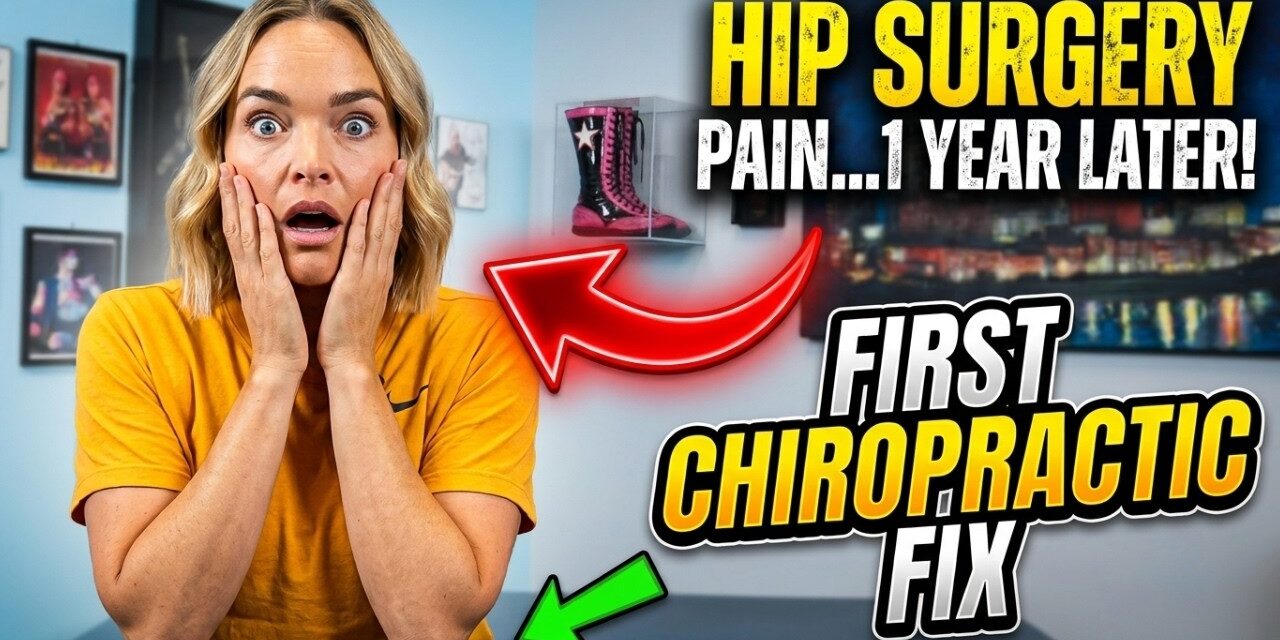
In this comprehensive guide, we address key questions about post-surgical recovery, spinal adjustments, Y-strap decompression, and muscle scraping, featuring insights from Dr. Roberts at Nashville Neck & Back during his treatment of a first-time chiropractic patient recovering from hip surgery.
Q: Why do I have lower back pain a year after hip surgery?
A: It is common to experience lower back pain months or years after undergoing a surgical procedure on the hip, knee, or ankle.
When you have surgery on a lower extremity, your body naturally changes the way you walk and distribute weight to compensate for the injury. Even if the altered gait lasts for only a short period, the compensatory movements put uneven strain on your spine, pelvic alignment, and lower back muscles. Over time, these subtle movement changes accumulate, leading to persistent lower back pain long after the original surgical site has healed.
“Anytime you’ve got any type of surgical procedure on the hip, knee, or ankle, that affects how you walk for a short period of time, and then that short period of time can affect everything else which leads to back pain problems a year later.” — Dr. Roberts [02:12]
Q: What is the muscle knot underneath my shoulder blade, and how is it treated?
A: Pain or a constant ache located directly under or between the shoulder blades is frequently caused by tightness or spasms in the rhomboid muscles.
-
The Cause: Poor posture or rounded shoulders stretch the rhomboid muscles across the upper back. When stretched for long periods, these muscles can develop painful trigger points or muscle knots.
-
The Treatment: A chiropractor or therapist can position the shoulder blade to access the tissue underneath. By manually applying pressure to the rhomboid muscle while moving the arm through its full range of motion, the practitioner can break up the tension and release the knot.
Q: Does muscle scraping (IASTM) actually release toxins or break up scar tissue?
A: No, muscle scraping does not release body toxins or break up deep scar tissue.
While muscle scraping (Instrument-Assisted Soft Tissue Mobilization) is a highly effective manual therapy tool, common online claims about “toxin removal” are inaccurate:
-
Toxins: Toxins in the human body are processed and eliminated by organs like the kidneys, liver, and lymphatic system—not squeezed out through skin friction.
-
Scar Tissue: Deep scar tissue is far too tough and structurally dense to be physically broken apart by a superficial hand tool.
-
What It Actually Does: Scraping creates targeted vasodilation (opening of blood vessels) and minor capillary breakdown, driving fresh, oxygenated blood directly to tight or inflamed muscles to accelerate recovery and restore mobility.
Q: What is a Y-Strap adjustment, and what does it do?
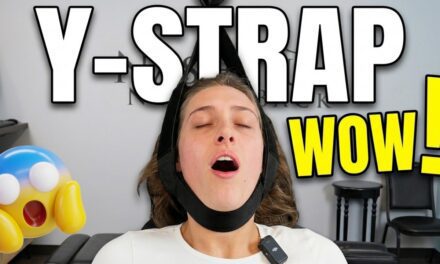
A: A Y-Strap (Y-Axis Traction Control Tool) is a specialized chiropractic decompression tool designed to apply linear axial traction along the spine.
During a Y-strap adjustment, the chiropractor secures the device at the base of the skull and applies a quick, controlled pull along the vertical axis. This motion gently decompresses the cervical spine, opening up the disc spaces and reducing pressure on spinal nerves. Patients often feel immediate tension relief extending from the neck into the mid and lower back.
Key Takeaways for First-Time Chiropractic Patients
-
Fear of Neck Adjustments is Normal: Many patients are intimidated by high-velocity neck adjustments. Relaxing the surrounding cervical muscles prior to the movement and utilizing simple breathing/distraction techniques makes the procedure smooth and comfortable.
-
Chiropractic vs. Massage: While deep-tissue massage relaxes surface muscles, chiropractic adjustments correct the structural alignment and joint dysfunction that cause those muscles to stay tight in the first place.
-
Immediate Mobility Gains: Restoring pelvic and spinal alignment often yields immediate changes in flexibility, hip rotation, and overall joint comfort.
🎬 Watch the full transformation: Click here to watch Dr. Roberts treat Jordan’s post-surgery back pain on YouTube!