
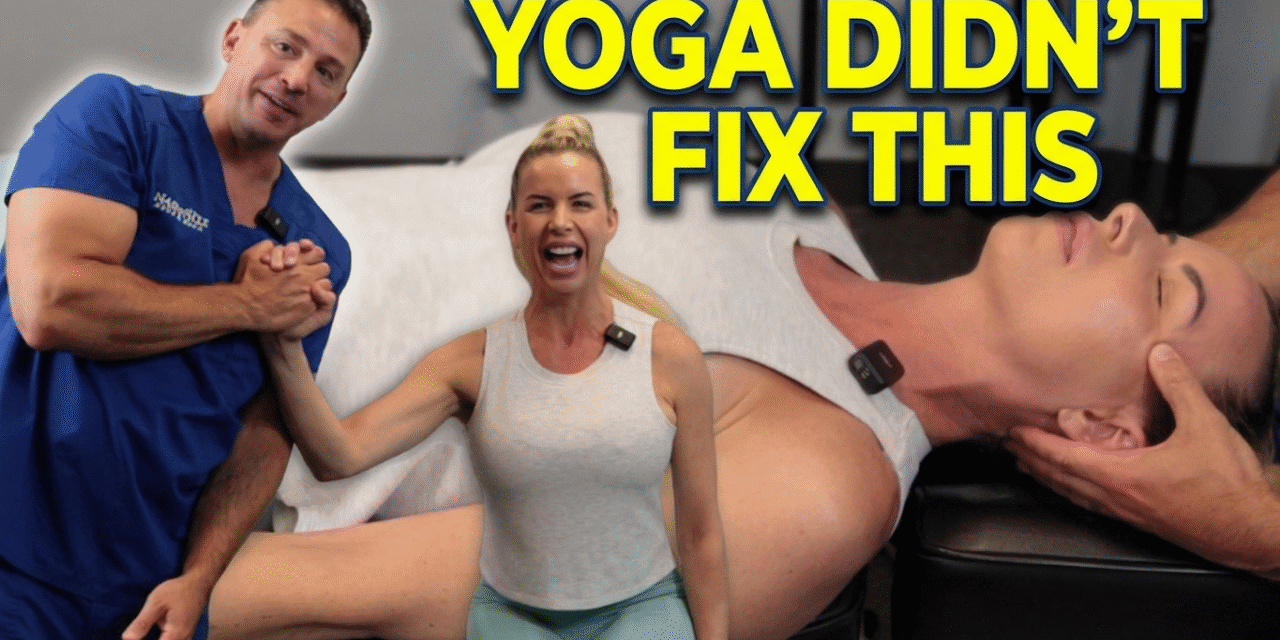
If you sit at a computer all day, you know the familiar struggle of tight traps, aching shoulders, and lower back tension. Many people try to combat this desk-job fatigue with healthy habits like regular yoga, stretching, and maintaining good posture. But what happens when severe headaches and lower back or SI joint discomfort persist despite your best efforts?
In a recent session at Nashville Neck & Back, a patient who practices daily yoga and maintains solid desk posture still suffered from frequent temple headaches and right-sided SI joint/hip discomfort due to long hours at a computer. Let’s explore why daily habits sometimes fall short and how targeted chiropractic care and soft tissue therapy can provide relief.
The Hidden Toll of Desk Work (Even with Good Posture)
Working in front of a computer for hours places constant, repetitive stress on the cervical spine, upper traps, and pelvis—particularly the sacroiliac (SI) joints.
-
The Desk-Job Trap: Even if you maintain upright posture or take breaks to walk around, hours of sustained sitting compress the lower back and pelvis, often triggering discomfort in the SI joint and hips.
-
Referred Tension: Tightness in the upper trapezius muscles and cervical spine frequently refers pain upward, resulting in frequent tension headaches around the temples or behind the eyes.
-
Why Yoga Helps, But Isn’t a Cure-All: Yoga is fantastic for maintaining flexibility, core strength, and basic mobility. As noted during the session, without daily yoga, morning stiffness and back discomfort can be significantly worse. However, yoga alone may not fully release deep-seated joint restrictions or chronic fascial adhesions caused by long-term repetitive occupational strain.
Comprehensive Care: Beyond Stretching
To address deep tissue tension and stubborn joint restrictions, a multi-faceted chiropractic approach is often necessary. The session featured several effective therapeutic techniques:
-
Soft Tissue Scraping (Instrument-Assisted Soft Tissue Mobilization): Using specialized tools on the superficial tissue and traps promotes vasodilation, bringing increased blood flow and oxygen to tight muscles, trigger points, and fascia to accelerate recovery.
-
Targeted Adjustments & Mobilizations: Gentle spinal adjustments, knee/ankle mobilizations, and specialized hip-traction techniques (“the leg pull”) help relieve pressure in the SI joints and lumbar region.
-
Cervical Traction & Y-Strap Adjustment: Progressive neck stretches and the Y-strap decompression technique help decompress the spine, relieving deep-seated cervical tension and helping eliminate stubborn tension headaches.
Frequently Asked Questions (FAQ)
Can good posture and yoga completely prevent back pain and headaches?
While yoga and good posture significantly reduce the severity of daily strain and improve overall mobility, they cannot fully counteract the mechanical stress of sitting at a desk for hours every single day. Professional care is often needed to manage deep spinal and joint restrictions.
What causes temple headaches related to desk work?
Temple headaches and pain behind the eyes are frequently linked to extreme muscle tightness in the upper trapezius, neck, and shoulders resulting from forward head carriage or prolonged computer use.
What is soft tissue scraping and does it hurt?
Soft tissue scraping (similar to instrument-assisted techniques like Graston) uses smooth-edged tools to stimulate blood flow and release superficial fascia. When performed correctly, it does not hurt and feels soothing while helping tight muscles relax.
What is an SI joint complaint?
The sacroiliac (SI) joint connects your spine and pelvis. It is a very common source of lower back and deep buttock discomfort, particularly for individuals who spend long hours sitting.